


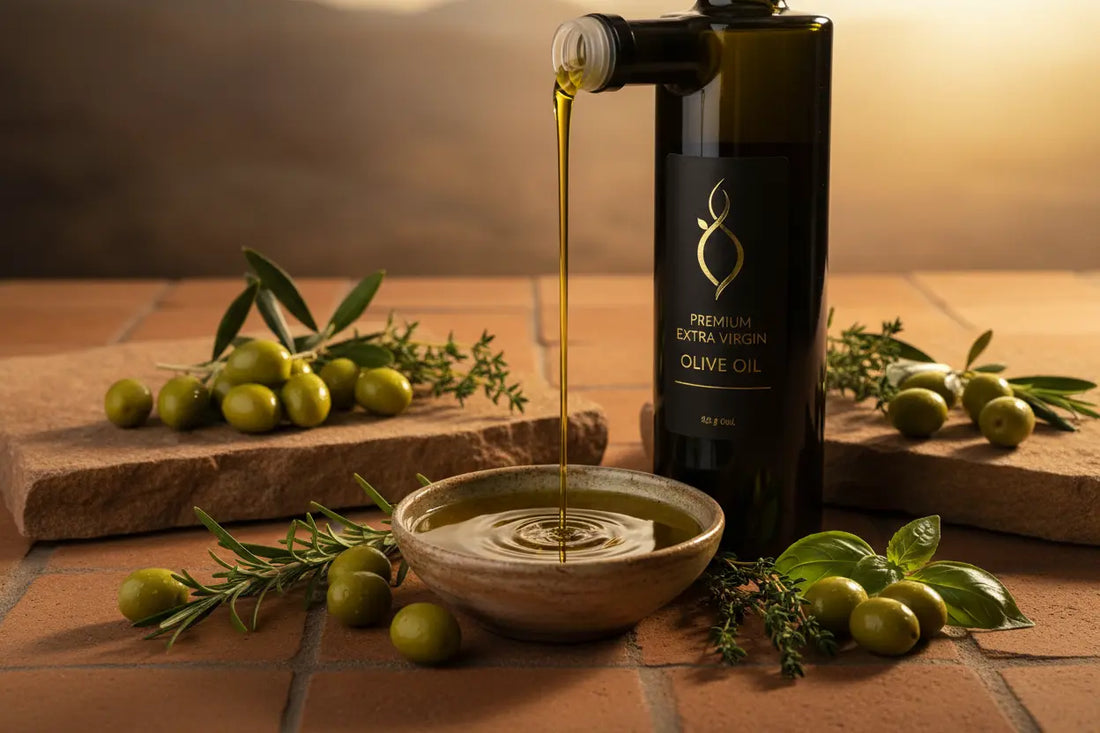
A bottle of extra virgin olive oil can do more work than most pantry staples. It adds flavor to salads, makes roasted vegetables taste fuller, softens cakes, and finishes a bowl of soup with a fresh, peppery edge. The trick is knowing why olive oil is a kitchen essential and how to use it like a pro, since not every bottle fits every job. This guide breaks down what makes it different, when to reach for it, and when another oil makes more sense.
Why Extra Virgin Olive Oil Belongs in the Kitchen
Extra virgin olive oil earns its place because it brings flavor, texture, and flexibility to everyday cooking. It works as a raw drizzle, a simple sautéing oil, and a finishing touch that wakes up vegetables, pasta, and beans. For many home cooks, one good bottle covers both practical meals and polished plates. The real value is learning which dishes benefit from its bold character and which ones call for the right oil with a different profile.
What Makes Extra Virgin Olive Oil Different
How extra virgin olive oil is made
Extra virgin olive oil is made from fresh olives using cold-pressed extraction and minimal processing, which helps preserve flavor and natural compounds. Because the oil is handled gently, freshness and low acidity matter more than flashy packaging. Buyers are paying for careful production, clean taste, and a bottle that still reflects the fruit it came from. That is why quality olive oil often tastes more vivid than refined oils.
Flavor, polyphenols, and quality indicators
Good extra virgin olive oil usually tastes fruity, peppery, and sometimes slightly bitter. Those notes are not flaws; they often signal a fresher, more complex oil with more polyphenols and vitamin E. Those compounds contribute to the oil’s value and help protect it from oxidative stress. On the label, look for a harvest date, origin, and clear packaging. Those details usually tell more than marketing language about “premium” claims.
When Extra Virgin Olive Oil Works Best
Raw uses and finishing oil applications
Extra virgin olive oil shines in raw uses like salad dressings, bread dipping, dips, and sauces such as mayonnaise. In these cases, the aroma stays intact and the brightest character comes through. It also brings a clean finish to grilled vegetables, tomatoes, pasta, and soups. A final drizzle over warm food can make a dish taste more complete without adding much effort.
Low- to medium-heat cooking
For low- to medium-heat cooking, extra virgin olive oil is a dependable choice for sautéing, roasting, and light pan cooking. Most home kitchens rarely push food to the extreme temperatures seen in professional equipment, so the oil often performs well within a workable range. Gentle heat keeps the flavor cleaner and helps avoid the flat taste that can happen when oil is pushed too hard. In these dishes, the oil does double duty: it cooks the food and seasons it at the same time.
How to Use Extra Virgin Olive Oil for Cooking
Sautéing, roasting, and pan-frying
The best results come from using just enough oil to lightly coat the pan and ingredients. When the oil shimmers, it is ready; visible smoking is a sign to back off. That method works especially well for vegetables, fish, chicken, and legumes. A modest amount of extra virgin olive oil can build browning, keep foods from sticking, and add flavor without making the dish greasy.
Frying and sautéing the right way
Extra virgin olive oil can be suitable for frying in many home kitchens, especially when the heat is controlled and the batch size is reasonable. The key is not to let the oil overheat. If a recipe demands aggressive heat or repeated use, a higher smoke point oil may be the better choice. For everyday frying and sautéing, small batches and steady temperature control protect both taste and texture.
| Method | Best Choice | Why |
|---|---|---|
| Low-heat sautéing | Extra virgin olive oil | Strong flavor and good everyday performance |
| Roasting | Extra virgin olive oil | Adds aroma and browning |
| Deep frying | Higher smoke point oil | Better for sustained very high heat |
| Finishing dishes | Extra virgin olive oil | Shows off flavor best |
Baking and Mediterranean Uses for Extra Virgin Olive Oil
Using olive oil in cakes, muffins, and breads
Olive oil adds moisture and tenderness to baked goods, which can lead to a softer crumb and longer freshness. Mild oils are useful when the flavor should stay in the background, while robust oils can be part of the recipe’s identity. For most bakes, the substitution is close to standard baking-fat measurements, so there is little guesswork. It is an easy way to bring a more savory, elegant note to sweet or neutral doughs.
Why it fits Mediterranean cuisines
Extra virgin olive oil is central to Mediterranean cuisines because it is both cooking fat and flavor base. In the Mediterranean diet, it appears in simple dishes where the oil matters as much as the ingredients around it. Think focaccia, roasted vegetables, and grain bowls that need a finishing drizzle to feel complete. That everyday role is part of why olive oil remains one of the most versatile pantry items.
When You Should Not Use Olive Oil
High-heat cooking like deep frying
There are times when premium oil is simply the wrong tool, especially in high-heat cooking like deep frying. Very high temperatures can degrade aroma and waste the character that makes quality olive oil worth buying. In those situations, choose an oil made for the task rather than forcing a flavorful bottle into a job it does not need to do. The same goes for repeated high-heat use and intense searing.
Delicate dishes needing a neutral fat
Some recipes need a quieter fat so the rest of the dish can stay in focus. Light olive oil or another neutral oil may work better in subtle cakes, pale sauces, or delicate desserts where strong olive flavor would stand out too much. The practical rule is simple: if the oil should disappear, do not use the boldest bottle on the shelf. Save the expressive oil for dishes that can welcome it.
Why Chefs Sometimes Don’t Cook with Olive Oil
Chefs often avoid using premium oil for every step because cost, flavor control, and technique all matter in a busy kitchen. They may reserve extra virgin olive oil for visible flavor, finishing dishes, or cold applications where its personality shows clearly. Professional kitchens also need consistency, and different fats can make that easier across large volumes. So the choice is usually strategic, not anti-olive oil.
Health Benefits of Quality Olive Oil
Heart-healthy fats and oxidative stress
Quality olive oil fits well into a healthy diet because it is rich in monounsaturated fats and widely considered heart-healthy. Its antioxidants and polyphenols are also linked to protection against oxidative stress, which is one reason it is often recommended in balanced eating patterns. The most useful way to think about it is not as medicine, but as a smart everyday fat that supports better cooking habits and better meals.
What organs does olive oil help?
Broadly speaking, olive oil is associated with heart and overall metabolic health. Some people ask what organs does olive oil help, and the practical answer is that it supports the body best as part of a balanced diet rather than as a stand-alone remedy. Used regularly in meals, it can contribute to a heart-healthy eating pattern without promising more than the evidence supports.
How to Choose the Right Oil for the Job
Extra virgin olive oil vs light olive oil
Extra virgin olive oil brings more flavor and more natural compounds, while light olive oil is usually milder and better suited to recipes where taste should stay neutral. Smoke point matters, but it is only one part of the decision. Budget, flavor, and heat level all play a role. If the dish benefits from personality, go extra virgin olive oil; if the recipe needs restraint, light olive oil may be the more practical choice.
Picking quality olive oil at the store
Freshness matters more than hype, so check the harvest date, packaging, and storage conditions before buying. Dark bottles or cans help protect the oil, and a bottle size that gets used quickly is usually a smarter buy than a huge container that sits around. The best olive oil is the one you can finish while it still tastes lively. In many homes, that means buying enough for steady use, not a one-year stash.
How to Store Extra Virgin Olive Oil Properly
Cool, dark place storage
Olive oil lasts best in a cool, dark place away from the stove and direct sunlight. Heat, light, and air all chip away at freshness, so a sealed bottle tucked in a cabinet is far better than one left on the counter. Tight caps matter after each use, especially if the oil is used often. Small habits like that help preserve flavor longer.
How long it stays fresh
Quality olive oil is best used within a few months of opening, even if the bottle suggests a longer shelf life. Freshness matters more than the date printed on the label alone. Rotating bottles and using older oil first keeps the pantry moving and reduces waste. If the flavor tastes dull or stale, it is probably time to replace it.
Best Everyday Ways to Use Olive Oil in the Kitchen
A single bottle can handle a surprising range of meals without feeling repetitive. Try it in salad dressings, over grilled vegetables, stirred into pasta, or finished on soups and beans. It also works as a quick drizzle on toast, roasted potatoes, or a grain bowl that needs one last layer of flavor. Used this way, olive oil is one of the most efficient tools in the kitchen.
Extra Virgin Olive Oil Mistakes to Avoid
The biggest mistakes are overheating the oil, storing it poorly, and using an expensive bottle where the flavor disappears anyway. Rancid or stale oil can ruin a dish fast, even if the recipe is otherwise solid. It also helps to remember that not every olive oil is interchangeable. Match the bottle to the job, and the food usually tastes better with less effort.
Use the Right Oil for the Right Moment
Extra virgin olive oil is at its best when flavor matters: in dressings, as a finishing oil, and in everyday cooking that benefits from a little richness. The right oil depends on heat, dish type, and budget, so there is no single bottle that wins every time. Once those trade-offs are clear, choosing becomes easy. Smart olive oil use improves both cooking and taste, which is exactly why it belongs in the kitchen.
FAQ: Extra Virgin Olive Oil: How to Use It Right
Q: What makes extra virgin olive oil different from regular olive oil? A: Extra virgin olive oil is cold-pressed from fresh olives with minimal processing, preserving its natural flavor, polyphenols, and low acidity. Regular or "light" olive oil is more refined and has a milder, more neutral taste.
Q: Can I cook with extra virgin olive oil, or is it only for dressings? A: Both. It works well for low- to medium-heat cooking like sautéing, roasting, and pan-frying, and it's excellent raw — in dressings, dips, and as a finishing drizzle. Just avoid using it for sustained high-heat cooking like deep frying.
Q: What does good extra virgin olive oil taste like? A: Fruity, slightly peppery, and sometimes mildly bitter. Those aren't flaws — they signal freshness and a higher polyphenol content.
Q: When should I NOT use extra virgin olive oil? A: Skip it for deep frying, repeated high-heat use, or delicate recipes (like pale sauces or subtle desserts) where a neutral fat works better and the bold olive flavor would overpower the dish.
Q: Can I bake with extra virgin olive oil? A: Yes. It adds moisture and tenderness to cakes, muffins, and breads. Use a milder bottle when you want the flavor to stay in the background, or a more robust one when olive character is part of the recipe.
Q: How do I pick a quality bottle at the store? A: Look for a harvest date, dark or opaque packaging, and a clear origin. Freshness matters more than marketing claims like "premium" or "artisan."
Q: How should I store extra virgin olive oil? A: In a cool, dark cabinet away from the stove and sunlight. Keep the cap tight after each use and aim to finish an opened bottle within a few months for best flavor.
Q: What are the most common olive oil mistakes? A: Overheating it, storing it near the stove or in sunlight, and using an expensive finishing oil where the flavor won't show anyway. Rancid oil ruins a dish fast — if it smells or tastes stale, replace it.