


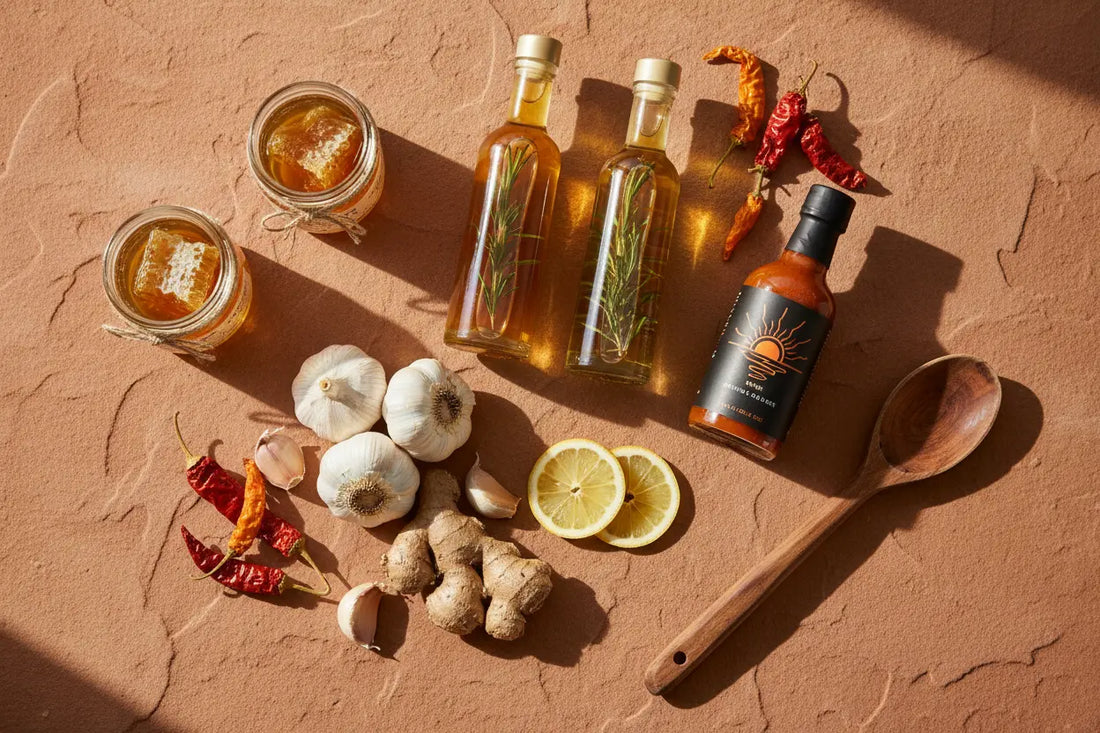
 Menus, grocery shelves, and social feeds are all moving faster than they used to. That makes gourmet food trends less about novelty for its own sake and more about reading consumer preferences, culinary innovation, and the market signals that separate a brief buzz from something that actually sticks. In 2026, rising costs, health-minded eating, and a sharper focus on what diners expect are reshaping both fine dining and everyday meals. This overview looks at what is hot in the culinary world now, what is likely to grow next, and how restaurant, retail, and social-driven food trends influence one another.
Food Trends in 2026: What’s Driving Change
Food trends are really a blend of appetite, creativity, and proof. A dish can look exciting on social media, but it only becomes a real trend if chefs keep using it, retailers package it, and consumers keep buying it. That is why 2026 matters: people are still balancing value and quality, wellness has become a daily filter rather than a niche preference, and dining out is increasingly judged by both taste and experience. Restaurant operators are also more cautious, which pushes them toward concepts that can travel across dayparts and formats. This article covers how trends appear in restaurants, then move into retail products, and finally spread through social media and home cooking. The result is a clearer picture of food trends that may last, not just flash.
How to Spot the Biggest Food Trends
The hardest part of trend-spotting is separating a one-week viral hit from something with staying power. Durable signals tend to show up in multiple places at once: menu language, retail launches, search interest, and repeat engagement on social platforms. If a flavor appears in chef specials, bottled sauces, meal kits, and short-form videos, it has usually crossed the threshold from curiosity to category. Chefs watch those clues because they want early validation before adding a dish to a menu. Editors watch them because they need to explain what is rising, not just what is loud. Operators watch for the same reason, but with a sharper eye on cost, prep time, and margin. When the same idea shows up across those channels, it usually deserves attention.
1. Consumer Preferences Are Rewriting Menus
Consumer preferences now drive more menu decisions than prestige alone. Diners want value, convenience, and novelty in the same order, which means a dish has to earn its spot quickly. The strongest menus often mix comfort, quality, and healthier choices without making the meal feel compromised. Think grilled chicken with herb oil, a smashed burger with a house-made pickle, or a grain bowl that still feels indulgent because of a rich dressing or finishing sauce. Familiarity matters, but so does freshness. That is why chefs are leaning into recognizable formats with sharper seasoning, better ingredients, and smarter presentation. The most successful food trends often feel like an upgrade rather than a risk.
2. Plant-Based Innovation Goes Beyond Substitutes
Plant-based innovation has moved well beyond imitation meat, especially in gourmet cuisine. The new wave is about texture, umami, and culinary creativity: charred mushrooms that eat like a centerpiece, whipped legumes with bright acid, and vegetable-forward dishes built around depth rather than replacement. Fine dining helped prove that plants can be luxurious without copying steak or chicken. Casual restaurants then made the idea more approachable with burgers, sandwiches, and bowls that taste complete on their own. That broad adoption matters. It shows plant-based cooking is no longer a side category; it is part of mainstream food trends. Brands that get this right focus on flavor and satisfaction first, then let the “plant-based” label become a bonus rather than the whole pitch.
3. Global Flavors Keep Expanding
Global flavors keep expanding because diners want authenticity with a sense of discovery. Regional spices, heritage recipes, and imported ingredients create a stronger pull than generic fusion for fusion’s sake. At the same time, modern chefs are comfortable crossing boundaries when the combination has logic: chile crisp on fried chicken, miso in caramel desserts, or Middle Eastern herbs paired with roasted vegetables. Heritage-driven dishes usually tell a deeper story, while fusion interpretations often travel faster because they feel instantly accessible. The retail side follows closely. Once a flavor earns traction in restaurants, it often appears in hot sauce, dressings, marinades, or gourmet salsa. That is one reason global flavors remain one of the most visible food trends across the culinary world.
4. Sustainability and Food Waste Reduction Matter More
Sustainability is no longer a branding accessory; it is part of how many kitchens define quality. Farm-to-table sourcing still matters, but root-to-stem cooking and zero-waste thinking are becoming more practical and more visible. Chefs use carrot tops in pesto, citrus peels in syrups, and trim from vegetables in broths or purees because it reduces food waste and creates new flavor layers. That matters for trust too. Consumers notice whether a brand talks about sourcing with real specifics or just vague green language. In many kitchens, sustainability also improves margins by turning ingredients that might have been discarded into profitable menu items. The smartest operators now treat waste reduction as both a creative tool and a business strategy.
5. Fine Dining Is Becoming More Personal and Experiential
Fine dining is still about precision, but emotional connection now plays a much larger role. Guests want more than technical perfection; they want a meal that feels designed for the moment. That has pushed restaurants toward personalization, storytelling, tableside finishing, and immersive plating that gives each course a sense of occasion. A server explaining the origin of an olive oil, a chef finishing a dish with a smoke-filled cloche, or a dessert built around a seasonal memory can make a menu feel memorable without becoming gimmicky. The best gourmet cuisine balances luxury with warmth. Technique still matters, but experience increasingly determines whether diners return. In 2026, that balance is one of the clearest signs of where high-end dining is heading.
6. Social Media Accelerates Culinary Innovation
Social media can turn a dish from local curiosity to national obsession in a matter of days. Short-form video rewards food that moves well on camera: cheese pulls, glossy sauces, dramatic cuts, and bright garnishes. That visual pressure affects menu design more than many operators admit. A dish has to taste good, but it also has to photograph clearly and make sense in a 15-second clip. The same goes for retail launches, where packaging and color cues can drive discovery before the first bite. Social engagement does not create a lasting trend by itself, but it speeds up testing. If people copy it, remix it, and ask where to buy it, the market is giving a quick yes. That is why social media remains such a strong catalyst for food trends.
7. Functional Foods and Gut Health Are Mainstream
Functional foods have moved from wellness circles into everyday shopping carts. Across age groups, diners are looking for foods that support gut health, energy, and steadier routines without feeling medicinal. That creates room for fermented ingredients, prebiotic fibers, high-protein snacks, and beverages with added benefits. The challenge is making those products taste good enough to buy twice. The most successful examples feel indulgent first and functional second: a yogurt with fruit compote, a kombucha with real flavor depth, or a dressing built with live-culture ingredients and premium oils. In gourmet cuisine, health-forward food works best when it still feels satisfying, layered, and a little luxurious. Consumers do not want wellness to cancel pleasure; they want it folded into the experience.
8. Snacks Are Replacing Traditional Meal Moments
Snacking is no longer a gap between meals; for many people, it is the meal. Busy schedules, smaller households, and a stronger focus on value have pushed snackable formats across dayparts. That is why protein-rich bites, savory cups, and portable mini meals keep gaining ground. The best versions deliver convenience without feeling like compromise. A snack can be a cheese-and-cracker kit, a seasoned nut mix, a hummus cup with premium olive oil, or a mini sandwich with bold sauce. These products blur the line between treat and fuel, which is exactly why they keep growing. For brands, snack trends are attractive because they travel well, store easily, and invite repeat purchases.
9. Beverage Trends Are Turning Functional and Flavorful
Beverages now do much more than quench thirst. They act as snacks, wellness products, and flavor platforms all at once. Protein drinks, low-sugar sodas, electrolyte blends, and sparkling botanical beverages are growing because consumers want hydration with purpose. Flavor matters just as much as function, though, which is why citrus, berry, spice, and herbal notes keep showing up in new launches. The overlap with food trends is obvious: clean labels, wellness claims, premium ingredients, and a more sophisticated taste profile. Even indulgent drinks are becoming smarter, with less sugar and clearer positioning. Brands that win in this space usually understand that a beverage has to feel refreshing, useful, and a little exciting.
10. Open-Fire Cooking and New Techniques Stand Out
Technique-driven cooking still gets attention because it gives diners something they cannot easily reproduce at home. Open-fire cooking remains especially compelling, whether it is used for vegetables, seafood, or meat, because smoke and char create immediate drama and depth. Fermentation brings another kind of interest, adding tang and complexity to everything from condiments to sauces. Precision methods, including sous vide and controlled temperature cooking, continue to matter too, especially in fine dining where consistency is essential. The common thread is transformation. New techniques can elevate simple ingredients into something trendworthy, which is why chefs keep experimenting with heat, time, and texture. In the culinary world, technique often becomes the story behind the plate.
What Food Products Are in High Demand Right Now?
Right now, the strongest demand tends to cluster around convenience, health, indulgence, and flavor innovation. In retail and foodservice, that means flavored olive oils, balsamic vinegars, gourmet salsas, hot sauce, dressings, and all-natural barbecue sauces continue to perform well because they upgrade basic meals quickly. Honey, gift sets, and small-batch condiments also stay popular with gift buyers and home cooks who want premium items with easy use cases. The overlap between restaurants and retail is real, but not identical: a chef may favor a sauce for its performance in the kitchen, while a shopper may care more about packaging, bottle size, or how well it works as a marinade. High-demand products are usually the ones that promise both immediate flavor and flexible use.
What Is the Hottest Food Trend in 2026?
The broadest, most influential trend in 2026 is personalization shaped by better-for-you comfort. That shows up in several categories at once: plant-based dishes that taste satisfying, functional foods that still feel indulgent, and gourmet condiments that help home cooks customize meals fast. If one idea has the widest cross-category impact, it is the move toward food that feels tailored, whether that means a sauce with mild heat, a salad dressing built for clean eating, or a small-batch condiment that turns an ordinary dinner into something restaurant-like. The hottest trend can still differ by segment. In fine dining, it may be experiential service; in retail, it may be wellness-forward convenience; in casual dining, it may be bold flavor with speed. The common thread is fit: food has to match the moment.
Expert Predictions: What Will Be Hot Soon
The next wave of food trends is likely to build on what is already working, not replace it wholesale. Expect more crossovers between functional foods and gourmet positioning, especially where gut health, hydration, and protein meet better flavor. Look for more attention to root-to-stem cooking, regional global flavors, and sharper use of imported ingredients that feel specific rather than generic. Open-fire cooking will keep growing as diners respond to visible technique, while snack formats will become even more meal-like. In the next 12 months, niche ideas such as savory breakfast snacks, upgraded pantry condiments, and low-sugar beverages with culinary depth could move mainstream. The biggest mistake brands make is chasing every viral moment. Adaptability matters more: know which trend fits the brand, then execute it with consistency.
How Restaurants and Brands Can Respond
The safest way to test a trend is to pilot it, not bet the whole menu on it. Limited-time offers, seasonal specials, and small batch product launches let operators see how customers respond before scaling up. A new sauce, finishing oil, or flavor variant can be introduced in one region, one channel, or one event before wider rollout. Feedback matters as much as speed. Sales data, repeat orders, and direct comments often reveal more than social buzz alone. Brands that move quickly while staying disciplined usually do best. The goal is not to follow every trend, but to choose the ones that align with your audience, your capabilities, and your margins.
What Diners Expect From the Future of Food
Diners now expect novelty, trust, convenience, and a reason to remember the meal. That means great flavor is still the baseline, but it is no longer the only requirement. People want transparency in sourcing, smarter wellness cues, and food that works for real schedules. They also want something worth talking about, whether that is a striking plate, an unusual ingredient, or a sauce that makes a weeknight dinner feel special. These expectations are shaping the culinary world in lasting ways. Food trends that survive will be the ones that deliver pleasure, practicality, and enough personality to stay relevant after the first wave of attention fades.
FAQ: Food Trends 2026
Q: What are the biggest food trends of 2026? A: The top trends this year center around bold, functional flavors — think raw honey infusions, fermented condiments, heat-forward sauces, and small-batch artisan pantry staples that do double duty as both ingredients and wellness tonics.
Q: Why is raw honey having such a big moment in 2026? A: Consumers are moving away from processed sweeteners toward natural, functional alternatives. Raw, unpasteurized honey — especially regionally sourced varieties like Arizona desert wildflower honey — delivers complex floral flavor alongside natural enzymes and antioxidants that refined sugar simply can't match.
Q: What's driving the popularity of infused and flavored honeys? A: Home cooks and food enthusiasts are looking for one-ingredient upgrades that instantly elevate a dish. Infused honeys — like garlic honey, jalapeño honey, or habanero honey — deliver a gourmet punch of savory-sweet complexity with zero effort, making them a staple on cheese boards, glazes, and roasted vegetables.
Q: Are finishing vinegars a 2026 trend? A: Absolutely. Artisan finishing vinegars are replacing heavy sauces and dressings as the go-to way to brighten a dish at the end of cooking. Honey-based vinegars infused with ingredients like lemon ginger, zesty garlic dill, or habanero are especially popular for their layered flavor profiles and versatility.
Q: What flavor profiles are trending in 2026? A: Sweet heat continues to dominate — combinations like honey + habanero, honey + jalapeño, and balsamic + scorpion pepper are everywhere. Alongside heat, there's a strong pull toward bright, citrus-forward flavors and earthy, umami-rich profiles from ingredients like garlic, fig, and aged balsamic.
Q: How does the Southwest pantry fit into 2026 food trends? A: The Southwest is having a cultural culinary moment. Ingredients native to the region — prickly pear, ghost pepper, desert wildflower honey, and Sonoran-inspired spice blends — are showing up on restaurant menus and in home kitchens nationwide as consumers seek authentic, place-based flavors.
Q: What does "small-batch artisan" mean and why does it matter? A: Small-batch production means each jar or bottle is made in limited quantities with careful attention to ingredient quality and process. For pantry staples like infused honeys, finishing vinegars, and hot sauces, this translates to fresher ingredients, more complex flavor, and a product that's genuinely different from mass-produced alternatives.
Q: How can I incorporate 2026 food trends into everyday cooking? A: Start with your pantry. Swapping out standard condiments for artisan alternatives — a raw garlic honey instead of store-bought glaze, a lemon ginger honey vinegar instead of bottled dressing — is the easiest way to cook on-trend without changing your entire routine.