


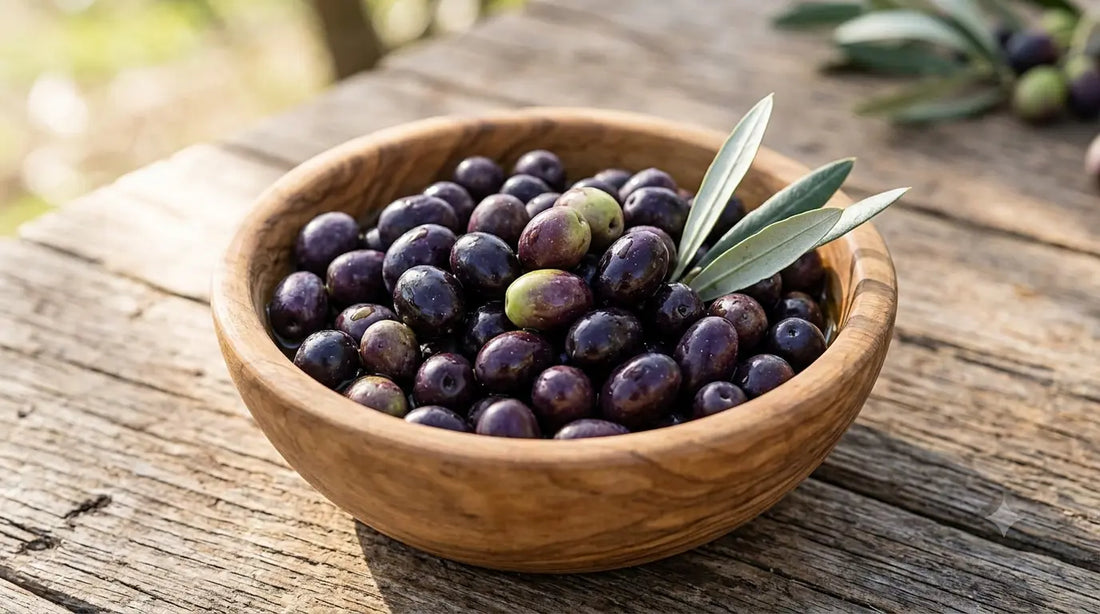
 The greek koroneiki olive has a big reputation for such a small fruit. In olive oil circles, it is often the variety behind deeply flavorful, peppery extra virgin olive oil that shoppers notice right away. For buyers comparing bottles, the name signals more than origin: it hints at oil made for freshness, intensity, and reliability. This guide explains where Koroneiki comes from, what the trees are like, why producers prize the fruit, and how to tell a quality oil from a forgettable one.
What Is the Koroneiki Olive?
Koroneiki is a small Greek olive grown primarily for oil production, not for stuffing or snacking. Its fruit may look modest, but it is one of the most respected olives in the extra virgin olive oil world because it consistently produces oil with strong character and excellent keeping quality. Among Greek varieties, Koroneiki stands out for flavor intensity, stability, and a dependable high-quality oil profile. That combination matters to mills, producers, and shoppers looking for a bottle that delivers more than a neutral cooking fat. If the goal is to understand origin, traits, and buying value, Koroneiki is a smart place to start.
Where the Koroneiki Olive Comes From
Koroneiki is deeply rooted in Greece, especially in the Peloponnese and Crete, where olive growing has shaped local agriculture for generations. Those regions offer a useful explanation for the variety’s success: abundant sunlight, dry summers, and rocky soils that push olive trees to work efficiently rather than grow lazily. That stress often concentrates fruit character and supports oil with a lively sensory profile. Koroneiki has traditionally been cultivated as an oil olive, while many other Greek varieties are used more often as table olives. That distinction helps explain why its origin matters. The landscape and climate are not just background details; they help form the bold style people associate with Koroneiki extra virgin olive oil.
Koroneiki Olive Tree Characteristics
The Koroneiki tree is known for being hardy, adaptable, and well suited to Mediterranean conditions. Growers value it because it handles dry environments better than many cultivars and can remain productive even where water is limited. Its growth habit is manageable, and the tree tends to deliver reliable yields when orchard care is sound. For producers, that resilience is more than an agronomic detail—it affects harvest consistency and the ability to make regular batches of high-quality extra virgin olive oil. A dependable tree makes planning easier, and a productive tree helps keep oil supplies steady. In other words, Koroneiki’s value comes from more than the fruit alone; the tree itself supports quality from the orchard outward.
Why Koroneiki Produces Premium Extra Virgin Olive Oil
Koroneiki earns its premium reputation because the fruit is small, oil-rich, and naturally suited to producing expressive oil. Small olives can be an advantage in the right system because they often carry concentrated flavor and a strong balance of compounds that matter in premium production. Harvest timing is a big part of the story: picking at the right stage helps preserve freshness and maximize quality before the fruit becomes overripe. Many producers also value Koroneiki for its polyphenol content, which contributes to bitterness, peppery finish, and oxidative stability. Those traits are not just technical bragging rights. They help explain why mills often seek Koroneiki when the goal is a robust extra virgin olive oil that can hold its character over time.
Taste, Aroma, and Flavor Profile
Koroneiki oils are often described with clear, recognizable tasting notes: grassy, herbal, fruity, bitter, and peppery. Depending on harvest stage and milling style, the oil may lean toward fresh-cut grass and green almond, or toward riper fruit and softer herbal tones. That range is part of the appeal. A well-made Koroneiki extra virgin olive oil usually feels balanced, with enough bitterness and pepper to signal freshness without becoming harsh. For shoppers, the intensity can be a useful clue. A bolder bottle often works well when the oil is meant to stand out on food, while a milder expression may suit lighter dishes. If a tasting note says “green,” “peppery,” or “vibrant,” Koroneiki is often in that lane.
Is Koroneiki a Good Olive Oil?
Yes—Koroneiki is often considered excellent for premium olive oil production. That said, the final quality depends on how the fruit is handled after harvest. Freshness, fast milling, careful storage, and the timing of the pick all shape the result. A Koroneiki oil made from ripe, damaged, or delayed fruit will not perform like a well-managed early harvest oil. When producers do it right, the variety delivers robust flavor and strong versatility in the kitchen. That is why it appeals to consumers who want an oil that can finish dishes, support cooking, and still taste distinct on its own. Quality starts with the cultivar, but it is sealed by the process.
Are Koroneiki Olive Trees Considered High Quality?
In producer terms, high quality means a tree is productive, resilient, and reliable over time. Koroneiki fits that description well. Farmers appreciate its steady yields and its suitability for making extra virgin olive oil rather than relying on it as a table-fruit cultivar. Still, “high quality” is not automatic. Orchard management, pruning, irrigation, soil health, and harvest timing all affect the outcome. A strong cultivar can only do so much if the grove is poorly managed. So the best answer is that Koroneiki trees are widely considered high quality because they support consistent oil production, but orchard practices remain part of the equation.
Are Koroneiki Olives Good for Eating?
Koroneiki olives are usually grown for oil, not for eating out of hand. Their small size and assertive flavor make them less common as table olives than larger, fleshier varieties. That does not mean they cannot be eaten in some preparations, especially after curing or in blended dishes, but they are not the typical choice for a snack bowl or mezze plate. If the goal is a straightforward eating olive, Koroneiki is usually not the best fit. If the goal is flavorful oil, it is one of the better-known Greek options available.
Koroneiki Olives vs Kalamata Olives
Koroneiki and Kalamata are often confused, but they serve different purposes. Koroneiki is mainly an oil olive, while Kalamata is better known as a table olive. Koroneiki fruit is smaller, with less flesh and a stronger focus on oil yield; Kalamata olives are larger, meatier, and commonly cured for eating. Flavor also differs: Koroneiki is prized for grassy, peppery oil, while Kalamata is often associated with a rich, wine-like olive flavor in its cured form. If a shopper is choosing between the two, the key distinction is simple—Koroneiki is for premium extra virgin olive oil, and Kalamata is generally for the table.
How Koroneiki Fits into Extra Virgin Olive Oil Production
The best Koroneiki oil starts moving from tree to mill quickly. Speed matters because harvested olives begin losing freshness and can pick up defects if they sit too long. Once the fruit arrives at the mill, careful handling and cold extraction help preserve flavor, aroma, and the chemistry that supports quality. Good storage after milling is just as important. Light, heat, and oxygen can flatten a lively oil and shorten shelf life. For buyers, that means labels and producer claims are only part of the story. A Koroneiki extra virgin olive oil that is freshly harvested, cleanly milled, and stored properly is far more likely to show the bright, stable character the variety is known for.
Best Uses for Koroneiki Extra Virgin Olive Oil
Koroneiki shines in dishes where the oil is meant to be noticed, especially as one of our finishing oils. It works especially well on salads, crusty bread, dips, beans, grilled vegetables, and as a finishing oil over soups or roasted meats. Its bold profile also holds up in sautéing, roasting, and marinades, especially for home cooks and grilling users who want flavor that survives heat. In lighter dishes, a little goes a long way, and that can be an advantage when the oil should complement rather than dominate. If a recipe needs a clean, assertive Mediterranean note, Koroneiki is a strong candidate.
How to Choose a Quality Koroneiki Oil
Label details matter a lot here. Look for a harvest date, clear origin information, and wording that identifies the oil as extra virgin olive oil rather than a vague blend. Freshness is one of the best indicators of quality, so bottles with recent harvests often make more sense than those that only list a long shelf life. Packaging also helps: dark glass, tins, or other light-protective containers are preferable to clear bottles. Acidity claims can be useful, but they should not be the only criterion. For authenticity, single-varietal Koroneiki oils can offer a clearer expression of the olive, while blends may be useful if the producer is aiming for balance. Choose based on the flavor style you want, not the loudest marketing language.
| Buying Cue | Why It Matters |
|---|---|
| Harvest date | Signals freshness and likely flavor intensity |
| Origin details | Helps confirm Greek sourcing and varietal authenticity |
| Dark packaging | Protects the oil from light damage |
| Single-varietal labeling | Often gives a clearer Koroneiki profile |
| Recent milling | Supports better aroma, taste, and shelf life |
What Makes Koroneiki Notable Among Greek Varieties?
Koroneiki stands out because it combines flavor depth, consistency, and oil-focused cultivation in a way that few Greek varieties match. It is one of the workhorses of Greek olive oil production, yet it also has a premium identity thanks to its reliable quality and distinctive sensory profile. The small fruit size is not a drawback; it is part of what makes the oil concentrated and memorable. In a country with many respected olive cultivars, Koroneiki has earned a special place because it delivers results year after year. That blend of practicality and character is what makes it notable.
Health and Nutrition Highlights
High-quality olive oil is valued in Mediterranean-style eating because it provides flavor along with naturally occurring beneficial compounds. Koroneiki extra virgin olive oil is especially appreciated for its polyphenols and antioxidant-rich profile, which contribute to its peppery finish and premium reputation. Those compounds are one reason fresh oil is preferred over older, flatter oil. It is best to keep the discussion grounded: olive oil is a flavorful food, not a cure-all. Still, choosing a well-made extra virgin olive oil is a smart way to support a more nutrient-conscious kitchen while adding depth to everyday meals.
Common Myths About Koroneiki Olives
One common myth is that small olives must be less valuable, but Koroneiki proves the opposite. Small fruit can still produce outstanding oil, especially when the cultivar is naturally oil-rich. Another misconception is that all Greek olives are interchangeable. In reality, variety, origin, and product category all matter. Koroneiki is not the same as a table olive, and it is not just another generic “Mediterranean olive.” Its strength is in oil production, where its flavor and stability really show up. Understanding those distinctions makes shopping easier and avoids disappointment.
How to Store Koroneiki Extra Virgin Olive Oil
Good storage protects the qualities people buy Koroneiki oil for in the first place. Keep the bottle in a cool, dark place and close it tightly after each use. Heat, light, and long exposure to air can dull the aroma and flatten the peppery finish. A pantry shelf away from the stove is usually better than a sunny counter. Once opened, it is smart to use the oil within a reasonable timeframe so the flavor stays lively. Simple storage habits make a noticeable difference.
Final Takeaway: Should You Try Koroneiki Oil?
If bold, peppery Greek olive oil sounds appealing, Koroneiki is well worth trying. Its Greek origin, reliable tree performance, and strong extra virgin olive oil profile make it one of the most important olives to know. For shoppers who want flavor with character, it offers an easy win. Choose a fresh, well-stored bottle, and the difference is usually obvious from the first taste. For those looking for a clear expression of the variety, a single varietal extra virgin olive oil can be a great place to start.