


 Some bottles of balsamic vinegar are built for everyday salad dressing, while others are meant to be opened for a special occasion and used drop by drop. That gap can be confusing, especially when labels, bottle shapes, and prices all look convincing. This guide breaks down what balsamic vinegars are, how they’re made, which styles matter most, and how to choose the best balsamic vinegar for the way you actually cook.
What Are Balsamic Vinegars?
Balsamic vinegars are sweet-tart condiments made from grapes, usually starting with concentrated grape must. The must gives them depth, natural sweetness, and the dark brown color shoppers expect, while fermentation and aging shape the final balance. Not every bottle follows the same production rules, though, so the label can mean very different things from one product to another. That is why quality, price, and use case vary so widely. Some balsamic vinegars are everyday pantry staples; others are premium, small-batch bottles that are better treated like finishing condiments than something to pour freely.
How Balsamic Vinegar Is Made
From Grape Must to Vinegar
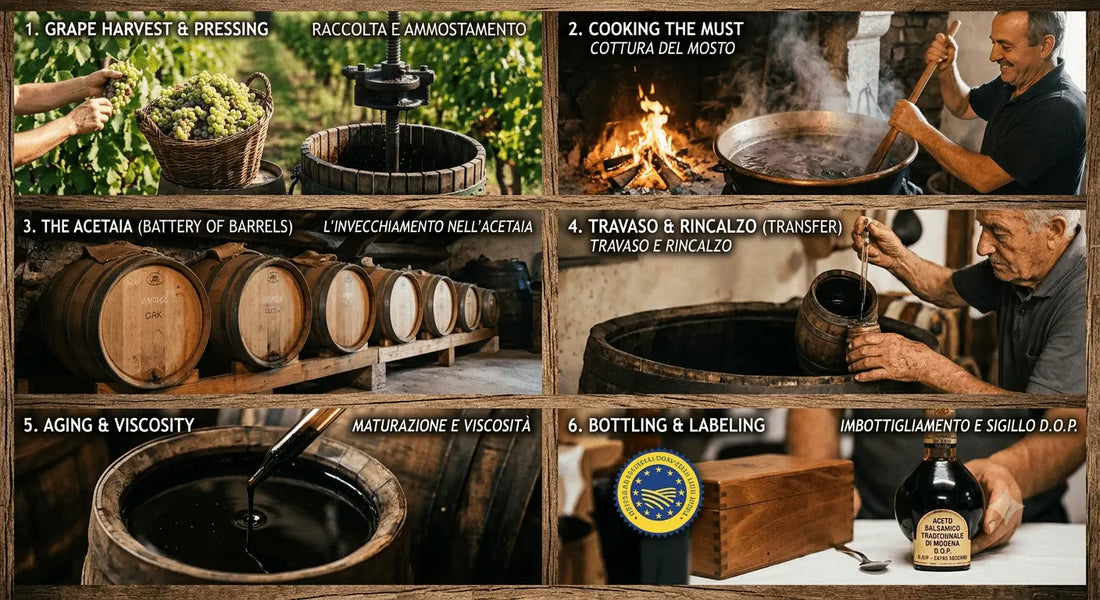
The process starts with crushed grapes, which are cooked down into grape must, a thick, sweet base packed with fruit flavor. From there, the liquid is fermented and gradually turned into vinegar. Some producers keep the process straightforward, while others concentrate the must more intensely and age it longer for a richer result. The basics are simple enough for home cooks: grapes become a sweetened, tangy liquid with a bold finish. The difference between a decent bottle and an exceptional one comes down to how carefully those steps are handled.
Why Aging Matters
Aging changes more than just the calendar on the label. Over time, the vinegar usually becomes smoother, denser, and more layered, with sweetness and acidity moving into better balance. Short-aged versions often taste brighter and sharper, which can be useful for cooking and salad dressings. Long barrel maturation creates a rounder, more polished flavor with a lingering finish. Wooden barrels add subtle notes of oak, spice, and a little aromatic warmth, which is part of why aged balsamic vinegar can taste so complex without needing extra ingredients.
Types of Balsamic Vinegars
Traditional Balsamic Vinegar
Traditional balsamic vinegar is the most regulated and premium style, and it has the reputation to match. It is thick, deeply flavored, and meant to be used sparingly because even a small amount carries intense character. This is the bottle people reach for over strawberries, Parmigiano Reggiano, or a simple finish on roasted meat. Value is measured differently here: a tiny pour can do the work of a much larger splash from an everyday bottle. For buyers who want something special, this is the style that feels most like a culinary luxury.
Balsamic Vinegar of Modena
Balsamic vinegar of Modena is the version most shoppers encounter in grocery aisles. It is usually made with grape must and wine vinegar, and it is often aged for less time than traditional versions. That makes it more accessible and more versatile for day-to-day cooking. It works well in vinaigrettes, marinades, pan sauces, and quick reductions. If the goal is a dependable pantry bottle that can handle olive oil, vegetables, chicken, and grain bowls, this style usually offers the best balance of price and utility.
Condimento Balsamico and Aged Balsamic Vinegar
Condimento balsamico sits in the middle ground between artisanal and commercial products, and that is both its strength and its challenge. Some bottles are thoughtfully made and aged with care; others are simply styled to sound premium. Labels can be confusing because different producers use similar language in very different ways. Aged balsamic vinegar in this category can offer excellent value if the ingredients are clean and the flavor is balanced. It is worth considering when a shopper wants more richness than a standard bottle without paying traditional-balsamic prices.
What to Look for on the Label
Ingredients and Origin
Start with the ingredient list. A bottle that leads with grape must usually has more depth and sweetness than one built mostly on wine vinegar. Origin matters too, especially if the label points to a specific region with a strong production tradition. Shoppers often see references to Modena and Reggio Emilia, which can signal authentic heritage when paired with the right protected designation. Fancy packaging is not a shortcut to quality, so the real clues are usually in the ingredients, origin, and production details rather than the bottle design.
Protected Designation Terms
Two terms often appear on premium Italian labels: protected designation of origin and protected geographical indication. In practical buying terms, they help separate more tightly controlled products from loose imitations. Protected designation of origin is the stricter category, while protected geographical indication allows more flexibility but still ties the product to a recognized region and method. For shoppers, the main takeaway is simple: these designations can be useful signals when comparing balsamic vinegars, especially if the goal is authenticity rather than just a sweet dark condiment.
Age, Density, and Bottle Size
Age statements can tell you a lot about style and intended use, even when they are not standardized in every market. More aging usually means a thicker pour, a richer finish, and a more layered taste. Density matters because it often tracks with how luxurious the vinegar feels on the palate. Bottle size is another quiet clue: small bottles often point to a more concentrated, premium product. A 100 ml bottle may be more valuable than a large supermarket jug if the plan is finishing dishes rather than cooking with it by the cup.
Best Balsamic Vinegar for Different Uses
For Salad Dressing
For vinaigrettes, a lighter and balanced bottle usually performs better than a syrupy one. The goal is for the vinegar to blend cleanly with olive oil, mustard, herbs, and salt without overwhelming the greens. Higher acidity helps the dressing stay lively, while too much sweetness can make it taste flat. A good everyday pick should feel bright, not heavy. That makes balsamic vinegar of Modena or a well-made condimento a smart choice for mixed greens, tomato salads, and roasted vegetable salads.
For Drizzling and Finishing
When the bottle is meant for drizzling, texture matters as much as flavor. Thicker vinegars with sweetness and a lingering, rounded finish are ideal over berries, cheese, risotto, grilled peaches, and roasted vegetables. They can also elevate simple proteins like chicken or steak with very little effort. This is where premium balsamic vinegars earn their place, because a small amount creates a polished finish. The better the balance between sweet and tangy, the more versatile the bottle becomes for finishing work.
For Cooking and Glazing
For heat, reduction, and glaze-style cooking, an affordable bottle is often the smarter buy. Once balsamic is simmered down, subtle complexity matters less than a reliable sweet-tart backbone. Balsamic glaze is different from straight vinegar because it is already reduced into a thicker, syrupy sauce, sometimes with added sugar or thickeners. It is useful when speed matters, but it should not be confused with a well-aged vinegar. For glazes and pan sauces, the best choice is a bottle that keeps the sweetness, tang, and consistency in good proportion.
How to Choose the Best Balsamic Vinegar
Flavor and Texture Checklist
A practical tasting checklist starts with four things: sweetness, acidity, thickness, and aftertaste. Sweetness should feel natural rather than candy-like. Acidity should lift the flavor, not sting the back of the throat. Thickness should suggest body without turning sticky. Aftertaste is where the better bottles separate themselves, because good balsamic vinegars leave a fruity, woody, or mellow finish instead of a blunt sugary note. Match the intensity to the food you cook most often: lighter styles for salads, deeper styles for finishing.
Price vs. Quality
Budget bottles, mid-range options, and premium splurges each have a place. Lower-priced balsamic vinegars are often the right call for cooking, marinades, and recipes where the vinegar will be mixed with other ingredients. Mid-range bottles can deliver a strong balance of flavor and value for home cooks. Premium bottles make more sense when the vinegar will be tasted plainly, not hidden in a sauce. Higher cost usually reflects better ingredients, longer aging, or tighter production standards, but prestige alone is not enough. The best value is the bottle that fits the job.
Signs of a Good Bottle
Clear labeling is a strong first sign. Simple ingredients, a trusted producer, and a regionally specific origin are all encouraging. A bottle packed with additives, caramel coloring, or vague flavor language can be less satisfying than it looks. The best balsamic vinegar usually tastes balanced rather than extreme. Overly sweet bottles can become cloying, while overly sharp ones can taste thin. A good producer knows how to keep the sweet and sour elements in harmony.
Balsamic Glaze, White Balsamic, and Flavored Options
Balsamic Glaze
Balsamic glaze is made by reducing vinegar until it becomes thick and syrupy. That makes it convenient for fast finishing, especially on plates that need a visual flourish. It can work well on caprese salad, grilled chicken, or roasted carrots. Some versions are clean and simple, while others rely on thickeners or added sugar to reach the right texture. If the goal is speed and presentation, glaze is useful. If the goal is nuanced flavor, a good vinegar often does more.
White Balsamic
White balsamic is a distinct style, not just a lighter color version of standard balsamic. It is made to stay pale or golden rather than deep dark brown, which helps in dishes where appearance matters. The flavor is typically brighter, a little less dense, and often cleaner in finish. That makes it a good fit for light salad dressings, seafood, pickled vegetables, and dishes where a dark stain would be a drawback. For shoppers who want the balsamic profile without changing the look of the plate, white balsamic is a smart alternative.
Flavored Balsamic
Flavored balsamic vinegars add fruit, herbs, or specialty infusions such as fig, raspberry, grapefruit, garlic, or even hickory smoked notes. These can be fun for home cooks who like easy ways to build a dish around one ingredient. They also appeal to gift buyers looking for something playful in a small batch format. The trade-off is consistency: some flavored balsamic bottles are thoughtfully layered, while others taste more like sweet syrup with a hint of fruit. Classic bottles are usually better for versatility, but flavored options can be excellent when the flavor profile suits the menu.
How to Store and Use Balsamic Vinegars
Storage Basics
Balsamic vinegar keeps well, especially when stored in a cool, dark place away from heat and direct light. A pantry shelf is usually fine, and refrigeration is unnecessary for most bottles. Over long periods, the flavor may shift slowly, but the vinegar typically remains safe and usable for a long time. Once opened, the quality is still best when the cap is closed tightly and the bottle is kept away from the stove. That is especially true for premium or aged bottles, where delicate aroma matters more.
Serving Ideas
A few easy uses make balsamic vinegar feel more versatile right away. Toss it into salads with olive oil, spoon it over mozzarella or goat cheese, drizzle it on strawberries, or finish roasted vegetables with a few drops. It also works well on grilled chicken, steak, and even warm fruit desserts. Premium vinegar is often best saved for finishing, while more affordable bottles can handle heavy cooking and marinades. A small amount can go a long way, especially when the bottle has real depth and a clean finish.
Choosing a Bottle That Fits the Job
The smartest balsamic vinegars are the ones matched to how they will be used. Everyday cooking calls for a practical, balanced bottle with solid acidity and enough sweetness to play well with olive oil and salt. Special occasions call for thicker, more concentrated vinegar that can stand on its own in tiny amounts. Labels, origin, age, and texture all matter, but the best bottle is the one that tastes right in the kitchen you actually have. Start with use case first, then buy for flavor, not hype.