


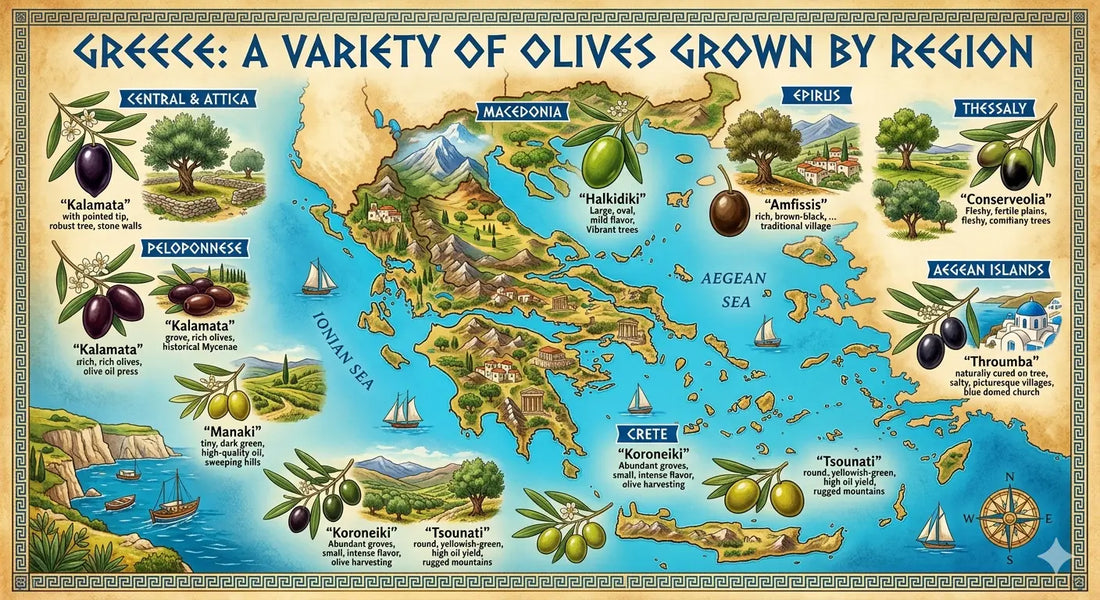
 Finding the best Greek olive oil usually starts with a simple question: what makes one bottle taste vibrant, fresh, and worth paying for while another feels flat? For shoppers in the United States, the answer is not just “extra virgin” on the front label. Origin, harvest timing, variety, packaging, and storage all shape the final experience. This guide breaks down how to judge olive oil from Greece with confidence, whether the goal is a finishing oil for salads, a dependable pantry staple, or a gift-worthy bottle.
What Makes the Best Greek Olive Oil
Premium Greek oil should taste alive, not dull or greasy. The best bottles usually show fresh olive character, clean aroma, and a balanced profile that feels fruity first, then pleasantly bitter and peppery at the end. That combination signals healthy olives and careful handling. For buyers, the biggest clue is freshness backed by disciplined production, not just a polished label. A good Greek olive oil should also fit real kitchen use, from drizzling over tomatoes to elevating grilled vegetables.
Freshness, aroma, fruitiness, bitterness, and peppery finish are the main sensory markers. Fresh oil smells like cut grass, green apple, herbs, or tomato leaf, depending on the variety. Fruitiness is the olive character that comes through on the nose and palate, while bitterness often appears on the tongue and peppery finish shows up as a slight throat tickle. That peppery edge is not a flaw; it often suggests a robust, polyphenol-rich extra virgin olive oil.
Origin and harvest timing matter because olives change quickly after picking. Fruit harvested early in the season often creates greener, more intense oil, while late harvest can feel milder and rounder. Milling speed is equally important: olives should be pressed soon after picking to limit oxidation and fermentation. Slow transport, delayed milling, or poor fruit handling can flatten flavor even if the oil is technically extra virgin. The best greek olive oil usually reflects a short path from grove to mill.
Extra Virgin Olive Oil vs Virgin Olive Oil
Greek shoppers usually see a few main grades on shelves, and the gap between them matters. Extra virgin olive oil is the top everyday grade, prized for clean flavor and no sensory defects. Virgin olive oil is still edible and natural, but it can show small flaws in taste or aroma that make it less polished. Lower-grade blends or refined oils sit below that, often losing character in exchange for neutrality. For buyers, the grade often predicts how much flavor and personality the bottle will bring.
The difference between extra virgin and virgin oil begins with processing and quality control. Extra virgin olive oil comes from mechanically extracted olives with strict chemical and sensory standards, including very low free acidity. Virgin olive oil is also mechanically produced, but the standards are less demanding, so it may carry slight defects or a less vivid profile. In practice, extra virgin tastes fresher, greener, and more structured, while virgin can feel softer and less complex. If a Greek oil is meant for premium use, extra virgin is usually the safer pick.
Extra virgin olive oil is best for salads, dipping, finishing dishes, and any recipe where flavor matters. Virgin olive oil can work in simple cooking, especially when it is less expensive and the dish will be heated with other ingredients. Lower-grade blends are better suited to generic frying or situations where the olive character is not the star. Heat tolerance is less about whether olive oil “can be used” in cooking and more about whether its flavor will stay pleasant under heat. A strong extra virgin can handle sautéing, but its premium aromatics shine most before the pan.
How grades affect flavor and use
In consumer terms, extra virgin olive oil means the oil is mechanically produced, free from defects, and flavorful enough to stand on its own. It should taste clean and show true olive character. Virgin olive oil remains authentic but usually lacks the same clarity and intensity. Lower-grade or refined blends may have little aroma, making them useful as neutral cooking oil but poor choices for finishing. If the goal is a bottle that enhances food instead of disappearing, extra virgin is the category to prioritize.
Processing explains the difference, but so does intention. Better oils are made to preserve aroma and freshness, while more processed oils are adjusted for consistency. In a salad, that distinction becomes obvious immediately. In a soup or sauté, a refined blend may be acceptable if olive flavor is not central. For grilling, marinades, and dipping bread, extra virgin olive oil is usually the better buy because its freshness remains part of the dish.
Heat changes perception more than quality itself. A delicate oil can lose its bright notes under high heat, while a robust extra virgin keeps more structure. Virgin oils may taste flatter after cooking, though they can still be functional in the kitchen. For most home cooks, the rule is simple: choose the best oil for the job, not the most expensive one for every task.
Best Greek Olive Oil Varieties to Know
Greek olive oil variety matters because cultivar shapes flavor just as much as region or harvest date. One bottle may be sharp and green, another soft and floral, even when both are labeled extra virgin olive oil. For shoppers comparing OLIVE OIL FROM GREECE, knowing a few key varieties makes the shelf easier to read. It also helps separate a bold finishing oil from a smoother all-purpose bottle. Variety is one of the fastest ways to predict taste.
Koroneiki is the benchmark variety for many premium Greek bottles because it consistently delivers concentrated fruit, lively bitterness, and a memorable peppery finish. It is especially common in high-quality extra virgin olive oil from Crete and the Peloponnese. Many producers choose it for its balance of intensity and stability, which makes it attractive to both shoppers and judges. If a bottle lists Koroneiki, the oil is often built for flavor rather than neutrality.
Other Greek varieties add useful range. Tsounati can show more herbal or rounded notes, Manaki often feels gentler and fruitier, and Kolovi from Lesvos may lean soft and aromatic. Some blends combine varieties to create more balance for broad kitchen use. The best choice depends on preference: bitterness and pepper appeal to some buyers, while others want a smoother, more approachable olive oil.
Koroneiki and other important varieties
Koroneiki earns its reputation through consistency. It often delivers green almond, grass, tomato leaf, and a lively finish that stands up well in premium extra virgin olive oil. Because it adapts well to different groves and harvest styles, it appears in many award-winning Greek oils. The profile is usually bold enough for dipping yet versatile enough for salads and vegetables. For shoppers seeking the best greek olive oil, Koroneiki is a strong reference point.
Tsounati, Manaki, and Kolovi deserve attention because each adds a different texture to the category. Tsounati can be structured and aromatic, Manaki is often milder and smoother, and Kolovi tends to be delicate with a clean finish. These differences matter if a household wants a specific style: peppery for finishing, soft for everyday cooking, or balanced for both. Variety influences bitterness, aroma, and finish more than many first-time buyers expect.
| Variety | Typical Profile | Best Use |
|---|---|---|
| Koroneiki | Green, fruity, peppery | Salads, finishing, premium bottles |
| Tsounati | Herbal, structured | Robust dishes, dipping |
| Manaki | Mild, smooth, fruity | Everyday cooking, lighter fare |
| Kolovi | Delicate, clean | Salads, gentle dressings |
Where Greek Olive Oil Comes From
Greek olive oil is not uniform, and the producing region often explains more about taste than the front label does. Coastal climates, altitude, soil, and local harvest traditions all influence the final bottle. Some regions produce greener and more pungent oils, while others lean soft and fruit-forward. For buyers, regional identity can be a practical shortcut when choosing between several premium extra virgin olive oils. It helps predict how the oil will behave in food.
Mainland and island oils often feel different because of terroir. Mainland areas may produce more structured oils with a stronger peppery edge, while island oils can be gentler, sweeter, or more aromatic depending on the microclimate. Crete is known for vibrant, fruit-driven oils; the Peloponnese offers a wide range from robust to balanced; and island regions such as Lesvos or Corfu may lean more distinctive and nuanced. Geography shapes the bottle in a real, measurable way.
PDO and PGI designations help shoppers assess authenticity and regional consistency. PDO, or Protected Designation of Origin, means the oil must come from a defined place and meet strict standards tied to that area. PGI, or Protected Geographical Indication, is broader but still signals regional connection and traceability. These marks do not automatically guarantee the tastiest oil, but they do reduce guesswork when buying Greek olive oil online or in specialty stores.
Crete, Peloponnese, and the islands
Crete often produces bold, bright oils with strong fruit and a clean peppery finish, especially when Koroneiki leads the blend. The Peloponnese is more varied, ranging from intense and grassy to soft and balanced depending on the grove and harvest. Island oils can bring a distinct personality, sometimes more floral or delicate than mainland examples. That flavor map matters because origin is more than marketing language; it is a shorthand for climate, cultivar, and handling.
Certified regional designations add another layer of trust, especially when traceability is clear. Look for the producer, the region, and specific lot or harvest information on the bottle. If a label mentions a PDO or PGI area, that should connect to a real place, not just a decorative name. Good Greek olive oil often makes its identity easy to verify.
How to Choose the Best Greek Olive Oil
A practical buying framework starts with purpose. A household olive oil for salads, roasted vegetables, and dipping should be fresher and more expressive than a basic cooking oil. From there, read the label for grade, harvest date, country and region of origin, producer name, and packaging type. If the oil will be used quickly, a bolder style is fine; if not, freshness and packaging become even more important. The best bottle is the one that fits both taste and routine.
Harvest date matters more than “best by” date because it tells you when the olives were actually picked. Bottling date can also help if harvest is missing, though it is less useful than a true harvest reference. Clear origin labels should identify Greece and, ideally, a specific area such as Crete or Kalamata. If the package says only “packed in Greece” without clear olive origin, that is less informative. Small details like batch codes and producer names are useful when comparing options.
Packaging protects quality. Dark glass and tins help block light, which slows flavor loss. Clear bottles can look attractive on a shelf but often sacrifice freshness. For home cooks, 12 oz bottles are easier to finish while the oil is still vibrant, while 100 ml bottles can be smart for gifting or trying a high-end variety. The right package is the one that supports fast, clean use.
What Acidity, Color, and Taste Really Mean
Acidity causes a lot of confusion because shoppers often assume lower is always better in every sense. In olive oil, acidity refers to free fatty acid content, which is a chemical quality marker, not a measure of sourness. Lower acidity often reflects careful handling and healthy fruit, but it does not guarantee a more delicious oil. Taste still depends on variety, harvest timing, and how the olives were processed. A bottle can test well and still feel bland.
Color is even less reliable as a guide. Green oil is not automatically superior, and golden oil is not automatically inferior. Hue depends on cultivar, ripeness, filtration, and storage, so it tells very little about actual quality. Tasting notes are more useful: fresh grass, artichoke, green almond, herbs, tomato leaf, or ripe fruit usually suggest a lively extra virgin olive oil. Flat, waxy, or stale notes are a warning sign.
Balance is the real target. Good Greek olive oil usually has fruit on the nose, a clean mid-palate, and either moderate bitterness or a peppery finish that feels energetic rather than harsh. Bitter and peppery notes can be positive signs because they often reflect healthy polyphenol content. A rancid or stale aroma, by contrast, suggests age, heat damage, or poor storage and should push buyers toward another bottle.
Best Uses for Greek Olive Oil
Different Greek oils suit different jobs, and that is where buying gets practical. Lighter oils with mild fruit are easier to use across the week, while robust extra virgin olive oil is more memorable on finished dishes. For drizzling over tomatoes, feta, beans, or grilled bread, a bright and aromatic oil can do real work without extra ingredients. For dressings, a peppery bottle helps the whole recipe feel more complete.
Robust extra virgin olive oil is ideal for cooking when flavor is part of the goal. It performs well in sautéed greens, roasted potatoes, sheet-pan vegetables, and chicken marinades because its character still shows after heating. If the oil is especially delicate or expensive, save it for uncooked uses. Everyday cooking does not require the highest-priced bottle, but it does benefit from freshness and solid flavor.
Matching intensity to dish makes a big difference. Mild oils work with seafood, yogurt-based sauces, and tender greens. Stronger oils suit lentils, grilled meat, tomato dishes, and hearty beans. A premium Greek oil can also be the final touch that lifts a simple meal, which is why many buyers keep one bottle for cooking and one for finishing.
Cooking, salads, and finishing
Lighter oils belong in dishes where the goal is harmony, while stronger oils can take center stage. Premium extra virgin olive oil shines most in uncooked applications because heat can soften the most delicate aromas. That does not make it unsuitable for the stove; it just means a bottle with personality is often best appreciated on a salad, a dip, or a finished plate. Many home cooks get better value by separating an everyday cooking bottle from a special-occasion finishing oil.
Common Buying Mistakes to Avoid
The biggest mistakes usually come from vague labels and old stock. A bottle that says “Greek style” or gives only broad sourcing language is less trustworthy than one with a clear producer and harvest date. Shoppers should also be cautious with terms that sound premium but do not prove freshness or origin. If the oil has been sitting on a shelf too long, even a good variety can lose its brightness before it reaches the kitchen.
The cheapest bottle is rarely the best value because price often reflects handling, packaging, and the cost of real quality control. Ultra-low prices can mean old inventory, generic blends, or little transparency about the olives themselves. A slightly higher price may buy fresher fruit, better packaging, and more honest labeling. That is especially true if the oil will be used as a finishing ingredient where flavor matters most.
Overbuying is another easy way to lose freshness at home. Olive oil does not improve with age once opened, so a large bottle that sits for months can taste tired long before it is finished. Buying a size that matches household usage keeps the oil in better condition and reduces waste. For many cooks, two smaller bottles beat one oversized bargain container.
Top Tips for Storing Greek Olive Oil
Good storage protects the qualities that make Greek olive oil worth buying in the first place. Keep bottles away from stoves, sunny windows, and warm cabinets above appliances. A cool, dark pantry works well for most homes. Once opened, the oil should stay tightly sealed between uses so aroma does not escape and oxidation does not speed up. Smart storage can easily add weeks or months of better flavor.
Light, heat, and air all accelerate oxidation. Light slowly breaks down the compounds that give olive oil freshness and complexity. Heat speeds that process, which is why a bottle stored near the stove can taste older sooner than one kept in a cool pantry. Air matters too: every time the cap is left loose, more oxygen enters the bottle and weakens the oil’s aroma and finish.
Bottle size affects storage as much as location. Smaller bottles often stay fresher for home cooks because they are finished faster and spend less time exposed to air after opening. If a household uses olive oil daily, a 12 oz bottle may be more practical than a large container. Mark the opening date if needed, and try to finish the bottle within a reasonable period so the flavor stays lively.
Keep oil fresh longer
Cool, dark, tightly sealed storage is the baseline. Smaller bottles are often the smarter choice because they preserve freshness by limiting how long the oil lingers after opening. To extend shelf life, recap immediately, keep the bottle away from heat, and avoid pouring more than needed. Those habits do more for quality than almost any other home practice.
Why Greek Olive Oil Is Worth Buying
Premium Greek oil earns its place through flavor, versatility, and the ability to elevate simple food without much effort. A good extra virgin olive oil from Greece can add freshness to salads, depth to vegetables, and a polished finish to bread, fish, and grilled dishes. It can also fit everyday cooking when the bottle is chosen wisely. For shoppers looking for both taste and utility, the category offers strong value.
The difference between good marketing and real quality usually shows up in the details. A polished label can be pleasant, but freshness, origin, variety, and packaging matter more. Claims like artisanal or small batch are useful only when they connect to traceable production and a recent harvest. Real quality is something you can read, smell, and taste.
The simplest decision guide is this: choose a clear grade, a recent harvest, a known origin, and packaging that protects the oil. If the goal is a versatile kitchen staple, pick a balanced extra virgin olive oil with good freshness cues. If the goal is a bolder finishing oil, look for Koroneiki or another expressive variety. The best greek olive oil is the one that matches the food, the pace of use, and the shopper’s taste.
Final take on choosing well
Keep the most important criteria in view: freshness, origin, grade, and storage-protective packaging. Prioritize extra virgin olive oil when flavor matters, and use virgin or lower-grade oils only when the recipe calls for less intensity. A confident first-time buyer does not need to know every Greek cultivar, just enough to spot a clean, recent bottle from a trusted source. That is usually enough to bring home a Greek oil worth using often.