


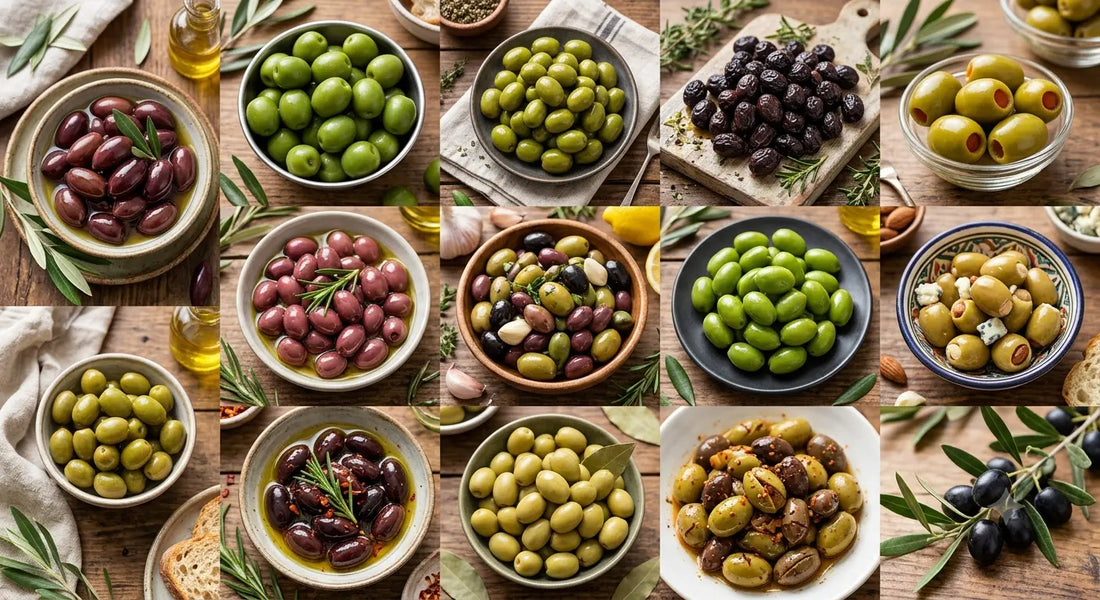
 The story of olives begins long before grocery shelves and restaurant menus. The olive tree is a cultivated tree with deep Mediterranean roots, valued for its fruit, oil, and remarkable staying power. From wild olive trees in Asia Minor to early domestication in the Levant, its history tracks the rise of trade, ritual, and settlement across the ancient world. That long arc helps explain why olives still matter today: they are not just a crop, but a living record of how people adapted to dry landscapes and built lasting food traditions.
Olive Growing Origins and Ancient Domestication
Olive growing likely started with wild olive trees that thrived around the eastern Mediterranean, especially in Asia Minor and nearby coastal zones. That region matters because it sits near some of the earliest evidence of human settlement and exchange, making it a natural bridge between wild harvest and cultivated olive orchards. Early communities in the Levant began selecting trees with better fruit, richer oil, and more predictable yields. Over time, these choices turned a rugged native tree into a dependable cultivated olive.
The shift was gradual rather than dramatic. People did not invent olive cultivation in one place on one day; they learned how to protect promising trees, propagate cuttings, and favor productive groves near villages. Archaeological evidence points to the eastern Mediterranean and neighboring lands as the first major centers of olive planting. From there, the tree’s value spread because it offered more than food. It could support storage, lighting, and trade, which made it worth carrying into new regions. That early domestication set the foundation for thousands of years of olive production.
How Olive Growing Spread Across the Mediterranean
Once olive cultivation took hold, movement around the Mediterranean basin carried it outward. The timeline is fairly clear: local domestication in the east, maritime spread by Phoenicians, wider adoption through Greek colonies, and large-scale expansion under Roman rule. Each group helped move olive branches, cuttings, and know-how between ports, islands, and inland valleys. Olive growing traveled well because it fit the same coastal environments that linked ancient trade routes.
The Phoenicians played an early transport role, bringing olives to new shorelines as they traded across the sea. Greeks then reinforced that spread through settlement and cultural exchange, especially across island chains and southern Italy. Romans pushed the crop even farther, standardizing olive production in conquered provinces and connecting far-flung groves to imperial markets. Inland valleys mattered too, not just coastal strips, because sheltered terrain with dry summers and workable soils could support productive trees. Over time, the olive moved from a regional tree to a shared Mediterranean staple.
Olive Growing in Ancient Civilizations
Ancient societies treated olives as a practical resource and a cultural marker. In everyday life, olives supplied food, oil, and material for trade. In temples and ceremonies, olive branches carried meanings tied to peace, purity, and favor. In economic terms, the crop was unusually valuable because one tree could keep producing for generations. That long productive life made olive cultivation attractive to households, estates, and states alike.
Ancient Greece and Rome became turning points because they elevated olives from useful plant to organized agricultural system. In Greece, olive oil was tied to diet, athletics, and ritual, while olive trees were woven into civic identity. In Rome, the tree became part of a wider imperial economy. Estates, taxes, and shipping networks helped move oil and table olives across markets. The result was a durable agricultural model: a tree suited to difficult land, yet capable of supporting wealth, symbolism, and long-distance trade. That combination explains why olive growing endured while many other crops rose and faded.
Olive Oil, Table Olives, and Early Uses
For much of early history, olives were valued more for oil than for eating. Fresh olives are naturally bitter, so they were not an immediate snack food. Oil, by contrast, was easy to store, transport, and use in many ways. It fueled lamps, supported cooking, and became a high-value commodity in places where light sources and fats were limited. That practical usefulness gave olive growing a strong advantage over crops with narrower uses.
Table olives developed as a separate use once curing techniques improved. Salt, brine, ash, and later fermentation methods made the fruit edible and broadened its appeal at meals. Beyond food, olives and oil served in cosmetics, pharmaceuticals, and ceremonial contexts. Oil could be used for skin care, ointments, and anointing, while the fruit and branches carried symbolic weight in religious and civic settings. These overlapping uses made the crop hard to replace. A grove could support household needs, trade income, and ritual life all at once, which helped olive cultivation spread and endure across generations.
Why Olive Trees Became a Mediterranean Staple
Olive trees fit the Mediterranean basin almost perfectly. They tolerate drought, survive rocky soils, and handle long dry summers better than many fruit trees. That resilience mattered in regions where rainfall was seasonal and land was not always ideal for grain or orchard crops. Once established, olive trees could live for thousands of years in the broader sense of long-lived lineage and repeated regrowth, making them a dependable presence in rural landscapes.
The Mediterranean climate also gave olive production a natural advantage. Mild winters and hot, dry summers reduce pressure from many diseases while supporting fruit development. In practical terms, that meant growers could rely on orchards in places where irrigation was limited or inconsistent. The tree’s longevity became part of its cultural meaning as well. Olive groves symbolized continuity, patience, and rootedness, especially in communities that depended on land across generations. Biology and history lined up neatly: a hardy tree met a demanding climate, and people built livelihoods around that fit.
Olive Growing in Iberia, North Africa, and Southern Europe
As the Romans expanded, olive cultivation moved deep into the Iberian Peninsula and across southern Europe. The Baetica valley became one of the best-known production centers, especially for olive oil that could be shipped in quantity. Its success came from the combination of fertile valleys, transport routes, and imperial demand. Once estates and trade networks were in place, olive groves multiplied quickly.
North Africa also became a major growing region, along with southern Italy and parts of the western Mediterranean. These areas shared the dry, sunlit conditions that favor olive trees, but their rise was also political. Roman administration encouraged planting, managed land use, and connected production zones to ports and markets. That coordination mattered because olives are slow to establish but long-lasting once mature. A grove was not a short-term investment; it was a regional asset. By the end of the Roman era, olive growing had become deeply embedded across southern Europe and North Africa.
Olive Growing Beyond the Mediterranean Basin
The next phase of olive history came much later, when explorers and settlers carried olive trees beyond their native basin. In the Americas, olives were introduced first through Spanish colonial routes, then adapted in places with a similar dry climate. South America received plantings in selected valleys, while the United States later developed olive groves, especially in California. These moves were not random; growers looked for regions that resembled the Mediterranean climate enough to support the tree.
Olives also reached parts of Asia in modern times, including China, though expansion there has been more limited and climate-dependent. In each new region, the pattern was the same: olive growing advanced where winters were mild, summers were dry, and orchard management could protect young trees. The historical point is simple. Olives spread slowly for centuries around one sea, then much later crossed oceans as a transplant crop. That global movement did not erase their origins; it showed how adaptable the tree could be when people found the right conditions.
Modern Global Production and Leading Producers
Today, global production remains concentrated in Mediterranean countries, even though olives are now grown on several continents. Spain, Italy, Greece, Turkey, Tunisia, Morocco, and related producers still anchor world supply, especially for olive oil. That concentration reflects history more than fashion. The same climates that supported ancient groves continue to produce reliable harvests, and generations of local knowledge still shape orchard management.
The balance between olive oil and table olives also matters. Some regions specialize in oil, where fruit can be pressed at scale, while others focus more on table olives for direct consumption. In commercial terms, oil usually dominates output by volume and value, but table olives remain important for regional cuisine and export markets. Current figures change year to year, but the larger story is stable: modern production is global in reach yet Mediterranean in character. That continuity links present-day buyers to a very old agricultural tradition.
How Olive Trees Are Grown Today
Modern olive growing still begins with careful planting and propagation. New orchards may use seedlings, rooted cuttings, or grafted trees, depending on the desired cultivar and production goal. Growers choose sites with sun, drainage, and enough space for long-term canopy development. Soil type matters, but standing water is often a bigger problem than moderate fertility. A healthy olive grove depends on roots that can breathe and expand.
Traditional groves often feature widely spaced, long-lived trees, while modern commercial systems may use denser planting for easier management and earlier returns. The basic trade-off is familiar: traditional systems emphasize longevity and lower input intensity, while modern systems aim for efficiency and consistent yields. Climate still sets the limits. Olive trees can handle heat and dryness, but severe cold can damage them, and excessive moisture can raise disease pressure. Even now, successful olive planting depends on matching the tree to the landscape rather than forcing it into the wrong place.
Harvesting and Curing Olives
Harvest timing shapes everything about the final product. Olives picked early are firmer and greener, often with sharper flavor, while later harvests bring darker fruit and richer oil character. For oil, growers often choose ripeness based on desired aroma and extraction yield. For table olives, timing is more selective because fruit must also hold texture and size. One crop, two very different outcomes.
Harvest methods range from handpicking to shaking branches or using mechanical harvest tools. Hand harvesting is slower but gentler, which can matter for premium fruit. Mechanical methods reduce labor and speed collection, especially in larger groves. After harvest, table olives must be cured to remove bitterness and make them edible. Curing can involve brine, lye, or fermentation, depending on style and tradition. Oil olives skip that step and head toward pressing. The choice between table olives and oil therefore starts long before processing; it begins in the grove, with harvest timing and the intended use of the fruit.
Types of Olives and How Many Exist
There are thousands of cultivars of olives, which is why the answer to “how many different types of olives are there?” is so broad. A cultivar is a cultivated selection with stable traits, while “variety” and “type” are often used loosely in marketing and everyday conversation. Some olives are grown mainly for oil, others for table use, and a few do well in both categories.
That diversity explains why flavor, size, and texture vary so much from one jar or bottle to another. A grocery label may describe a commercial category rather than a strict botanical type. For shoppers, the useful distinction is simple: oil olives tend to be chosen for fat content and pressing quality, while table olives are selected for flesh, curing behavior, and eating texture. In other words, olive diversity is huge, but the practical choice usually comes down to intended use.
What Are the Top 10 Best Olives in the World?
“Best” is subjective, but these olives are widely respected for flavor and versatility: Kalamata, Manzanilla, Castelvetrano, Arbequina, Picholine, Niçoise, Halkidiki, Nocellara del Belice, Ligurian Taggiasca, and Cerignola. Some are prized for rich brininess, others for buttery texture or balanced fruitiness.
The right choice depends on the job. Kalamata often shines in salads, Castelvetrano is loved for snacking, and Arbequina is famous in oil form. If a cook wants bold flavor, a salt-cured olive may be ideal; if subtle sweetness matters, a milder green cultivar may work better. So there is no universal ranking, only strong matches between variety and use. That is why experienced shoppers often buy by application rather than chasing one “best” olive.
What Kind of Olives Were in the Bible?
The olives associated with the Bible were the fruits and oil of the ancient Levant, grown in the eastern Mediterranean long before modern named cultivars existed. They would have been locally adapted trees from the same broad genetic pool that later produced many regional forms. In historical terms, these were likely small, hardy olives used for oil, food, and ritual rather than today’s branded table varieties.
Olives and olive oil appear across Jewish, Christian, and Islamic traditions as symbols of peace, blessing, and sacred use. Olive branches are especially familiar as emblems of peace, while oil was used for anointing leaders, marking holiness, and lighting lamps. The Mount of Olives also anchors the plant in religious geography. The important point is not a single named fruit, but the enduring role of the olive tree in spiritual and daily life across the ancient Near East.
Are Any Olives Grown in the USA?
Yes, olives are grown in the United States, with California as the clear center of production. The state’s dry summers and mild winters make it the best-known American region for olive growing, especially for oil and table olives. Smaller plantings also exist in warmer parts of Arizona, Texas, and a few other suitable areas, but scale remains limited outside California.
The reason is straightforward: olives prefer Mediterranean-like conditions. They need plenty of sun, good drainage, and relatively low humidity compared with many other fruit crops. That climate fit makes domestic olive production possible, but not everywhere. For U.S. buyers, the takeaway is simple: American olives are real and established, but most commercial supply still comes from regions with a stronger Mediterranean climate.
Why Olive Growing Still Matters Today
Olive growing connects ancient history with modern food systems in a way few crops can match. It still supports cuisine, trade, culture, and landscapes across the world, from old Mediterranean groves to newer plantings in the Americas. The tree’s resilience, long life, and adaptability keep it relevant wherever dry, sunny conditions allow it to thrive.
That endurance is the real story behind the origin of olive and different kinds of olives. The crop began as a regional tree, spread through empire and commerce, and now appears in kitchens, gift sets, flavored olive oils, and everyday meals far beyond its birthplace. Its past is ancient, but its significance is still growing.